
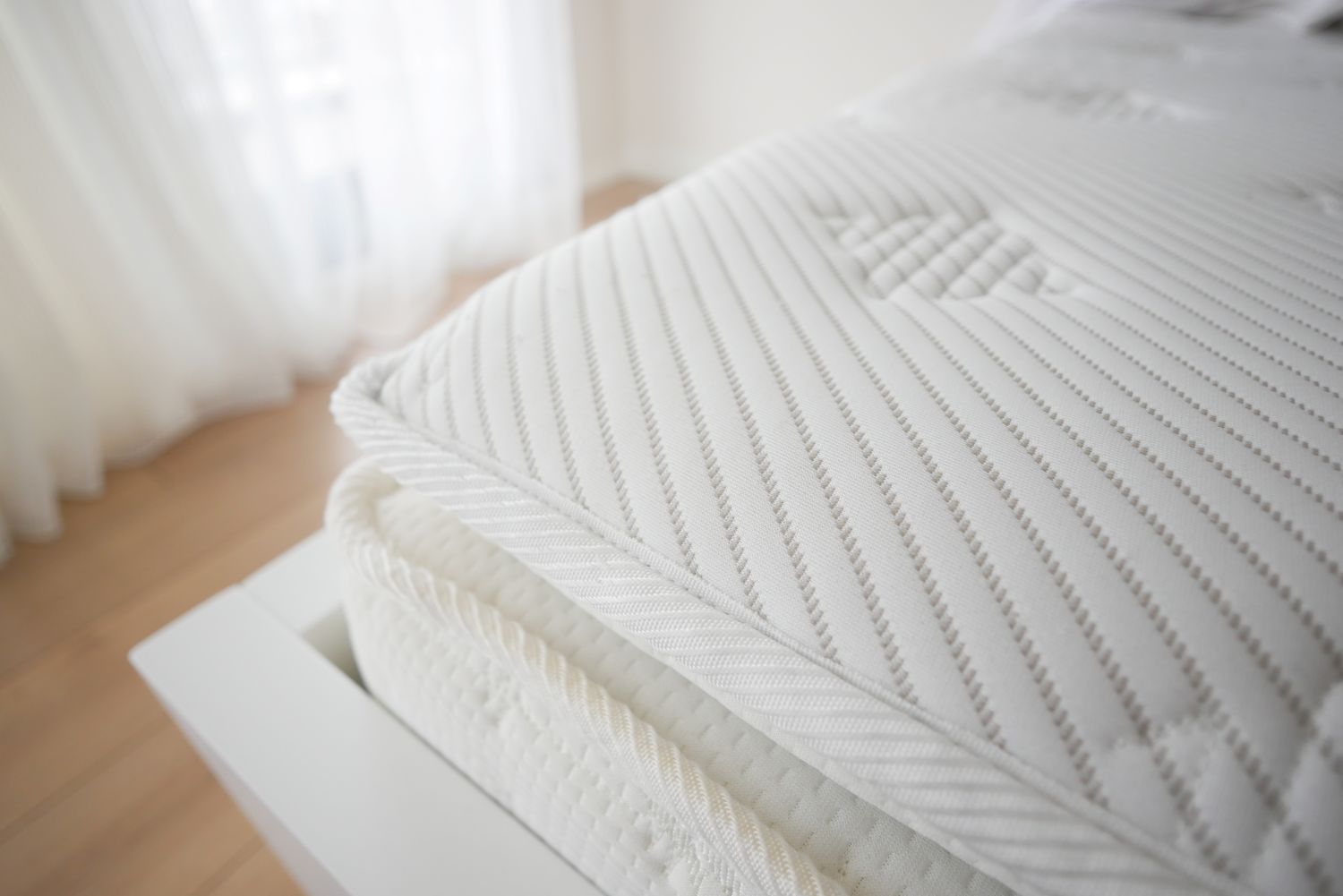
A good night’s sleep is essential for overall health and well-being, and the right mattress can make all the difference. However, many people find that their mattress doesn’t provide the comfort and support they need. This is where a mattress topper comes into play. A mattress topper can enhance the comfort of your bed, providing an additional layer of support and softness. In this guide, we’ll explore the secrets to choosing the perfect mattress topper, ensuring you sleep soundly and wake up refreshed.
What is a Mattress Topper?
A mattress topper is an extra layer of material placed on top of your mattress to improve comfort and support. It can be made from various materials and comes in different thicknesses, densities, and firmness levels. Toppers can help alleviate pressure points, reduce motion transfer, and extend the life of your mattress.
Benefits of Using a Mattress Topper
- Enhanced Comfort: A topper can provide additional cushioning, making your bed feel softer or firmer depending on your preferences.
- Improved Support: Many toppers are designed to support your body’s natural alignment, reducing discomfort and promoting better sleep posture.
- Temperature Regulation: Certain materials can help regulate body temperature, keeping you cool in the summer and warm in the winter.
- Extended Mattress Life: A topper can help protect your mattress from wear and tear, potentially extending its lifespan.
- Cost-Effective Solution: Instead of investing in a new mattress, a topper can be a more affordable way to enhance your sleep experience.
Types of Mattress Toppers
Understanding the different types of mattress toppers available can help you choose the one that best suits your needs:
1. Memory Foam Toppers
Description: Memory foam toppers conform to your body shape, providing support and pressure relief. They are known for their ability to absorb motion, making them ideal for couples.
Pros:
- Excellent pressure relief
- Good motion isolation
- Available in various densities
Cons:
- Can retain heat
- May have a distinct smell initially
2. Latex Toppers
Description: Made from natural or synthetic latex, these toppers are resilient and provide a buoyant feel. They are known for their durability and breathability.
Pros:
- Naturally hypoallergenic
- Good temperature regulation
- Eco-friendly options available
Cons:
- Can be heavier than other types
- May be more expensive
3. Gel-Infused Toppers
Description: Gel-infused toppers combine memory foam with gel beads to enhance cooling properties. They offer the same contouring benefits as memory foam but with improved temperature regulation.
Pros:
- Good pressure relief with cooling properties
- Reduces heat retention
- Available in various thicknesses
Cons:
- Can still be less breathable than latex
- May have a shorter lifespan than latex
4. Feather and Down Toppers
Description: These toppers are filled with feathers or down, providing a soft, luxurious feel. They are often used to create a plush sleeping surface.
Pros:
- Soft and comfortable
- Lightweight
- Can be fluffed and adjusted
Cons:
- May not provide adequate support for some sleepers
- Can trigger allergies in sensitive individuals
5. Wool Toppers
Description: Made from natural wool, these toppers offer both comfort and temperature regulation. They are known for their moisture-wicking properties.
Pros:
- Naturally breathable and temperature-regulating
- Good moisture-wicking properties
- Durable and long-lasting
Cons:
- Can be more expensive
- May not provide as much cushioning as other materials
Choosing the Right Mattress Topper
When selecting a mattress topper, consider the following factors:
1. Sleeping Position
- Back Sleepers: Look for a medium-firm topper that provides support while contouring to the spine.
- Side Sleepers: Opt for a softer topper that alleviates pressure on the shoulders and hips.
- Stomach Sleepers: A firmer topper may help maintain proper alignment and prevent sinking.
2. Firmness Level
Determine your preferred firmness level. If your mattress is too firm, a softer topper can help. Conversely, if your mattress is too soft, a firmer topper can provide additional support.
3. Material Preferences
Consider any allergies or sensitivities you may have. For example, if you’re allergic to down, opt for a synthetic or latex topper. Additionally, think about temperature preferences; if you tend to sleep hot, a gel-infused or latex topper may be a better choice.
4. Thickness
Mattress toppers come in various thicknesses, typically ranging from 1 to 4 inches. Thicker toppers provide more cushioning, while thinner ones offer a slight adjustment to comfort.
5. Budget
Set a budget for your mattress topper. While higher-quality materials may come with a higher price tag, investing in a good topper can significantly enhance your sleep experience.
Caring for Your Mattress Topper
To ensure the longevity of your mattress topper, follow these care tips:
- Use a Mattress Protector: Protect your topper from spills, stains, and allergens by using a waterproof mattress protector.
- Regular Cleaning: Follow the manufacturer’s cleaning instructions. Many toppers can be spot cleaned, while others may be machine washable.
- Air It Out: Occasionally, remove your topper from the mattress to air it out and reduce odors.
Conclusion
Choosing the perfect mattress topper can significantly enhance your sleep quality and overall comfort. By understanding the different types of toppers available and considering your personal preferences, sleeping position, and budget, you can unlock the secrets to a better night’s sleep. With the right mattress topper in place, you’ll be well on your way to enjoying restful nights and waking up refreshed. So, take the time to find the ideal topper that meets your needs, and experience the difference it can make in your sleep routine!